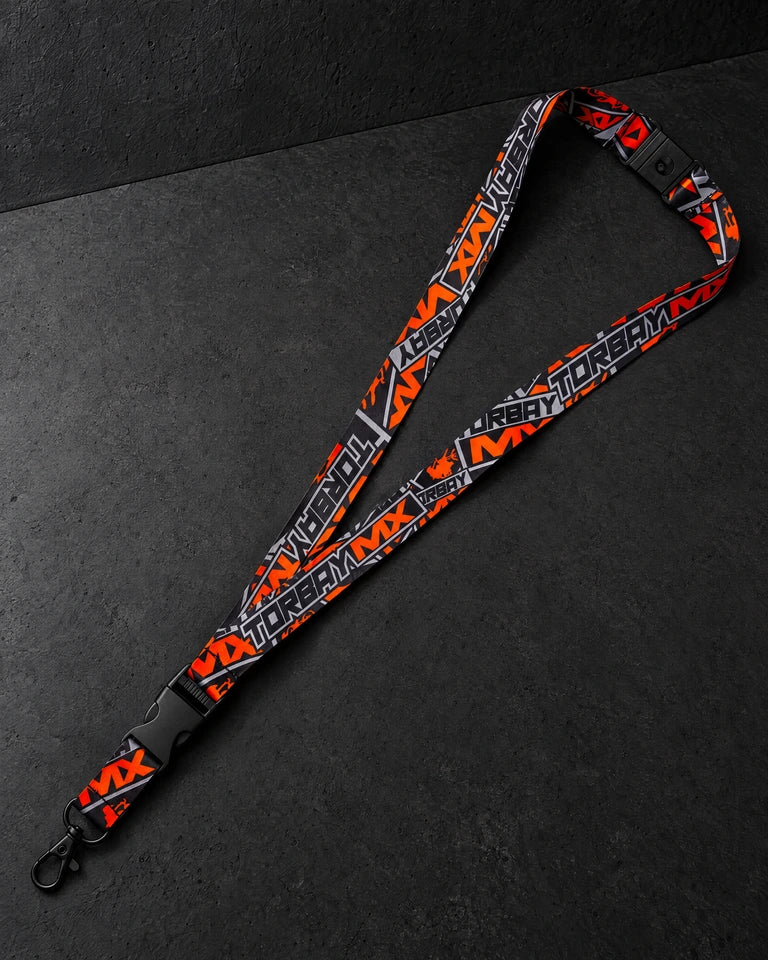
35mm-wide fabric flight tags with full colour sublimation on both sides, reinforced stitching and a keyring loop. Order from 50 tags.
Full colour in a compact fabric format
Sublimation printing supports a full colour design on each side of the tag. Bold lettering, clear logos and contrasting colours can help the artwork remain readable. Start with the information that matters most rather than fitting a long message into a narrow space.
A flight tag for keys, bags and merch
The included keyring loop makes the tag an accessory that can be attached to keys or a bag. It can form part of a club merchandise range, event pack or branded bundle. Confirm the full dimensions before choosing how much artwork to include.
Printed or embroidered fabric?
The flight tag is printed on fabric; an embroidered keyring has stitched artwork. Printed tags are useful when the design needs multiple colours or illustrated detail, while embroidery gives visible thread texture. Comparing the methods first helps avoid preparing a file for the wrong production process.
Getting both sides right
Label the artwork front and back and show the intended reading direction. Check the text, fitting position, stitched edge and colour references on the proof. The standard production window is 17 to 22 working days after artwork approval, so allow time to confirm the layout before an event.
Artwork approval, production and delivery
Orders start from 50 tags. Choose the quantity in the current product options, upload the original artwork and review the proof before production. Standard production is 17 to 22 working days after artwork approval. Raise a fixed event or delivery date before ordering.
UK tracked delivery is free after production. Orders below £100 receive Royal Mail Tracked 48; orders of £100 or more receive Tracked 24, based on goods total including VAT after discounts. Production and delivery are separate stages.
Planning both faces of a full colour tag
The two sides give you a choice: repeat a strong identity, or give each face a separate role. One face might carry a large club name while the reverse carries a shorter message or secondary mark. Start with the information people should recognise first and make that the largest element. On a narrow tag, an uncluttered layout often communicates more clearly than several small logos and a long line of text.
Label the front and reverse files so the intended pairing is clear. Include the direction of the text relative to the attachment end in your placement reference. Keep critical letters and small details away from the edge stitching and eyelet area, then review those relationships in the proof. A screen mockup can explain the idea, but the original artwork is still needed to reproduce the design cleanly.
Comparing a printed tag with embroidery
Full colour sublimation and embroidery give a similar fabric accessory very different visual character. Printed flight tags are worth considering when your design uses several colours, illustration or tonal detail. Embroidered keyrings create the image from thread, bringing a visibly stitched surface that suits bold lettering and simplified marks. Neither process needs to imitate the other to make a good product.
Look at the close-ups when choosing between them. Compare the appearance of edges, small lettering and the overall finish rather than selecting only by the example brand. If your range includes both products, keep the same main identity while preparing artwork for each process. A detailed illustration can lead on the printed tag, with a simpler name or emblem on an embroidered companion.
Checking your tag order before production
Match the selected quantity to your planned distribution, whether that is a club shop, an event allocation or a retail launch. Review any available extras separately from the base product and check the complete basket total. The example photographs demonstrate designs and views; they are not separate retail packs that determine how many tags arrive in your order.
Read both faces of the proof, check the attachment end and confirm that the intended artwork version has been used. Keep the approved file for future reorders. Your tag is made with your artwork, so this review is the opportunity to catch spelling or layout decisions before the physical run begins.