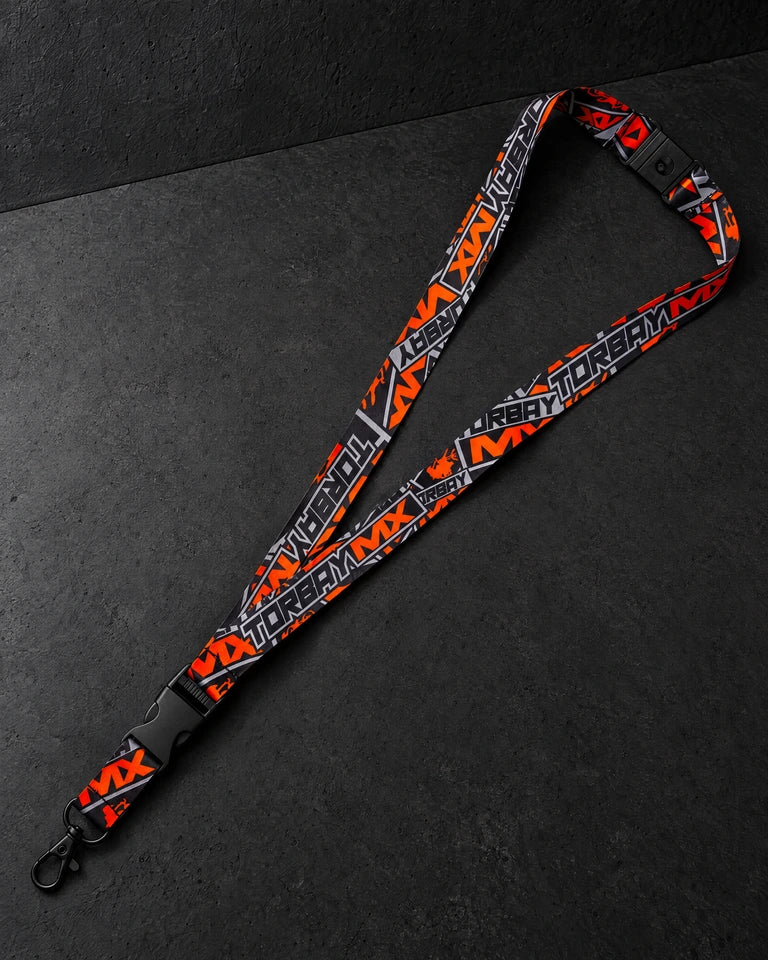
Printed lanyards are one of the most widely used and practical branded merchandise products for events, workplaces and promotional campaigns. If you are looking for printed lanyards that combine visibility, durability and everyday usability, they offer a reliable solution that integrates directly into real world use. Because lanyards are worn throughout the day, they provide continuous brand exposure rather than a single point of interaction.
At Project Print, printed lanyards are produced with a focus on clarity, durability and consistency. Whether you need them for staff identification, event access, conferences or promotional campaigns, they are designed to hold up under daily use while keeping your branding visible and clear.
Why printed lanyards are effective for branding
Lanyards work because they are both functional and visible. They are used to hold ID cards, passes and keys, which means they are worn constantly during events or working hours. This creates repeated exposure without requiring any additional action from the user.
Unlike many promotional products that are used once and then forgotten, lanyards remain in circulation. They are part of the environment, which makes them a reliable tool for maintaining consistent brand visibility across teams, events and campaigns.
Design and print quality
Printed lanyards use full colour printing applied to durable polyester material. Designs can be printed on both sides, ensuring visibility regardless of how the lanyard is worn. This allows for strong branding, including logos, slogans and colour schemes.
Repeating logo patterns, bold typography and clear colour contrast tend to perform best. These ensure the design remains readable when worn and viewed at distance.
Common use cases for printed lanyards
Printed lanyards are widely used across multiple industries and environments. They are a standard item for events, conferences, exhibitions and festivals where attendee identification is required.
In corporate environments, they are used for staff identification, security access and workplace organisation. Schools, universities and organisations also rely on lanyards for ID systems and group coordination.
Durability and material quality
Lanyards are made from polyester, which is designed for strength and long term use. The material resists wear and maintains print clarity over time, making it suitable for repeated use.
Comfort is also important. Lanyards are designed to sit comfortably around the neck for extended periods, which is essential for events and workplaces where they are worn throughout the day.
Hardware and functional options
Lanyards can be fitted with different clips and attachments depending on their intended use. Metal clips are commonly used for ID cards, passes and keys, while additional fittings can be selected based on specific requirements.
This flexibility allows the product to be tailored for different environments, from corporate use to large scale events.
Minimum order and bulk suitability
Printed lanyards are typically ordered in bulk, making them a cost effective option for large groups and events. The minimum order starts at 50 units, which makes them accessible for both small and large scale projects.
As quantities increase, the product becomes even more efficient as a branding tool, particularly for events and campaigns where consistent presentation is required across a large audience.
Proofing and production process
Every order is managed through a proofing stage before production begins. This allows the design to be reviewed and confirmed before moving forward. It ensures that colours, layout and positioning are correct before the final product is produced.
Production typically takes 17 to 22 working days after approval, with delivery available across the UK once the order is complete.
Printed lanyards as a long term branding tool
For businesses and organisations looking for consistent visibility, printed lanyards are a dependable choice. They are practical, widely used and integrate naturally into environments where identification and access are required.
Because they remain in use over time, they continue to deliver brand exposure long after the initial order. This makes them one of the most reliable and cost effective branded merchandise products available.
Planning a repeat that reads around the neck
A lanyard is a narrow strip that bends, twists and hangs in two directions. Begin with a short version of your company name or event identity and decide which element should be noticed first. Repeating the main mark with clear space between each instance is often easier to read than squeezing a long message into every available gap. View the artwork at the intended print size as well as enlarged on screen.
For a two-sided layout, identify the front and reverse in your artwork files. Consider how text should face when the lanyard hangs from the neck, rather than treating both sides as identical flat banners. A placement reference can explain your intention, while the original artwork supplies the detail needed for production. The proof is the stage to check the direction of lettering, spacing of repeats and the relationship between the print and fittings.
Matching the attachment to the job
Start with what the lanyard will carry: an access pass, a staff badge or an event credential. Then compare the hardware choices offered in the ordering panel. The attachment is a functional part of the order, so check that the chosen fitting works with the item you already use. A photograph of a lanyard does not mean that every pictured fitting, card holder or pass is included in the selected price.
If an organisation requires a particular safety release or attachment arrangement, confirm it before ordering. Do not infer certification or suitability for a specialist workplace from the appearance of an example. Record the required hardware alongside your artwork so the print and assembly can be reviewed together. That small check is particularly useful when replacing an older batch and trying to keep a familiar setup.
Organising an event or staff allocation
Build your quantity from the people who need a lanyard rather than the size of a mailing list. For an event, separate attendees, crew, exhibitors and any spares you intend to hold. For staff, consider starters and replacements as well as the current team. This gives you a useful quantity to compare against the price breaks without committing to stock that has no planned use.
If you intend to distinguish roles with different artwork or background colours, confirm how those designs need to be ordered. A quantity discount for one product should not be assumed to cover an unlimited number of separate designs. Keep version names clear, such as staff, visitor or exhibitor, and make sure the quantities in your notes agree with the order you submit.
A final check before approving lanyard artwork
Read every word, confirm the event year where relevant and check that the logo is the current version. Make sure light lettering stays readable against the background and that small sponsor marks have not become the dominant visual detail. Screen colours are a guide to the design; the physical print is viewed on fabric under different lighting.
Use the quantity and option selectors to see your price, upload the production artwork and review the order summary before adding the lanyards to your basket. Keep any placement sketch separate from the original logo file. Once the proof arrives, check the print arrangement and hardware together so the finished lanyard matches the job you planned.