


Printing Services
Direct to Garment
DTG
Printing
Direct to garment printing for detailed, full colour designs and smaller runs.
Ideal for low quantity orders, complex artwork and quick turnaround projects.
The Method
DTG printing for custom apparel
DTG printing is a modern printing method used for detailed, full colour designs on garments. Using specialist inkjet technology, it prints directly onto fabric to produce clean, accurate results without the setup requirements of screen printing.
From our Nottingham studio, we provide DTG printing for brands and businesses across Nottinghamshire and Derbyshire, with delivery throughout the UK.
It is ideal for smaller orders, short runs and artwork that requires fine detail or gradients that other methods cannot easily reproduce.
If you need flexibility in design and quantity, DTG is often the best option for smaller runs. For larger orders, screen printing Nottingham is usually more cost effective. For mixed fabrics and performance wear, DTF printing is a stronger choice. For premium stitched logos, custom embroidery delivers the best finish.
Print Quality
What good DTG printing looks like
Detailed artwork, full colour designs and printed garments, up close.
Email your artwork


Explained
What is DTG printing
DTG stands for direct to garment printing. It works by printing ink directly onto fabric using a specialist garment printer — similar in principle to how a desktop printer works with paper, but built specifically for textiles.
Because there are no screens or plates required, DTG can handle artwork of any complexity, print in unlimited colours, and produce results cost effectively at low quantities.

Direct to Garment
Ink printed directly
onto fabric fibres
Right fit?
When to choose DTG printing
DTG printing is the right choice in specific situations. Understanding when it fits your requirements will help you get the best result at the right cost.
DTG is ideal when
- You need a small quantity (under 30–50 units)
- Your artwork has many colours, gradients or photo elements
- You need a small run from 10 units per design
- You are a clothing brand testing a new design
- You need a fast turnaround with no screen setup time
- You want different designs across a small run
DTG may not suit you if
- You need large quantities — screen printing becomes more cost effective above 50 units
- You need maximum durability — screen printing inks bond more permanently
- You are printing on dark garments with solid block colours
- Your design is a simple 1–2 colour logo — screen printing is more cost effective
Why Choose DTG
Benefits of DTG printing
When it is the right fit for your project, DTG printing offers several clear advantages over other methods.
High detail prints
DTG handles artwork complexity that screen printing cannot — photographic images, intricate illustrations, fine lines and gradients all print cleanly with no colour count limitations.
Full colour capability
No limits on colour usage — and no extra cost per colour. Whether your design uses 2 colours or 200, the price per unit stays consistent.
10 unit minimum
DTG suits small runs and detailed full colour artwork. Our studio minimum is 10 units per design, which keeps setup efficient while still working well for tests, launches and short runs.
Fast setup
No screens to produce, no lengthy setup process. Once your artwork is ready, production can begin quickly — making DTG the fastest method to turn around a new design.
Order Quantities
Minimum order quantity
DTG printing is best suited to smaller runs, short runs and detailed full colour artwork.
If you need a lower quantity than screen printing and want to keep strong artwork detail, DTG can be the right option.


Honest Assessment
When DTG may not be the best option
We will always recommend the right method for your project — even if that means pointing you toward a different service. DTG is not always the right choice.
Not ideal for bulk orders
The per-unit cost of DTG does not reduce significantly with volume. For orders above 30–50 units, screen printing becomes considerably more cost effective. If you need bulk production, screen printing will almost always be the better option on price.
View screen printing →Print durability
DTG prints are durable, but they do not match the long term resilience of screen printing. With heavy use and frequent washing, screen printed inks generally outperform DTG over time. For workwear and heavily used garments, screen printing is often a stronger choice.
Higher cost per unit at scale
Unlike screen printing, DTG does not benefit from significant economies of scale. The price per unit on a 200-piece DTG order will be much higher than the equivalent screen print run. If you are ordering regularly or in volume, screen printing is the better long term solution.
See screen printing pricing →Garment fabric requirements
DTG works best on 100% cotton garments. Polyester blends and performance fabrics can affect print quality and colour vibrancy. For non-cotton garments, DTF printing or screen printing may produce better results.
View DTF printing →Best For
Where DTG works best


Method Comparison
DTG vs screen printing
The two most common garment printing methods serve different purposes. Here is a straightforward comparison to help you choose.
Need help deciding which method is right for your project?
What We Print
What we print with DTG
We offer DTG printing on a range of cotton and cotton-blend garments. Best results on 100% cotton in light to mid-tone colours.

T-shirts
The most popular DTG garment. Ideal for detailed artwork, full colour designs and photo prints. Works best on 100% cotton in white or light colours.
Get a quote for T-shirtsHoodies
DTG hoodies for small runs, test prints and clothing brand samples. An efficient way to produce a new design before committing to a full screen print run.
Get a quote for HoodiesSweatshirts
Cotton crewneck sweatshirts printed with complex artwork or full colour designs. A clean, everyday garment that showcases detailed prints well.
Get a quote for SweatshirtsIdeal for
- Clothing brands testing new designs
- Small drops & limited releases
- Custom short runs
- Sample runs before bulk production
- Complex, full colour artwork
Order custom merch online
Complete your merch range.
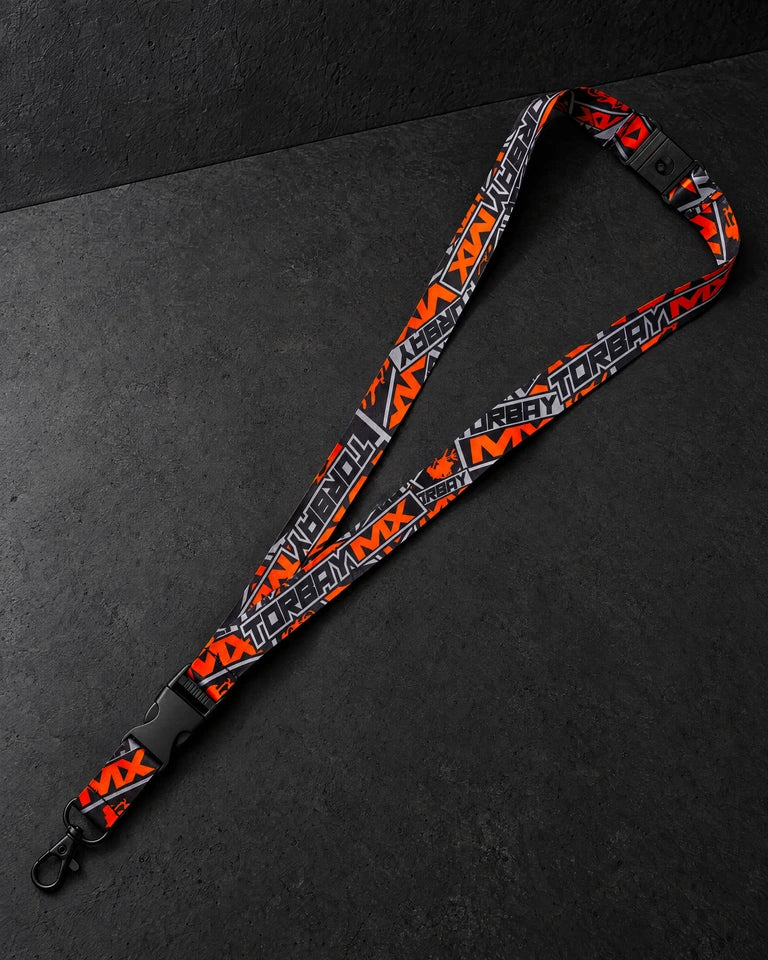
Add stickers, keyrings, lanyards or mugs to your range. These custom products are ready to configure and order online.

How It Works
How DTG printing works
A straightforward process from artwork to delivery — no screen setup, no lengthy lead time.
Artwork prepared
Your artwork is checked for print readiness and colour accuracy. We prepare a print ready file optimised for the specific garment colour and fabric.
Garment pre-treated
Garments are pre-treated with a specialist solution before printing. This is especially important for dark garments and ensures ink bonds to the fabric properly for a clean, lasting result.
Printed directly onto fabric
The garment is loaded flat into the DTG printer and the design is printed directly onto the fabric using specialist water-based inks at high resolution.
Heat cured
After printing, each garment passes through a heat press or tunnel dryer to cure the ink, setting it into the fabric fibres and ensuring washfastness.
Quality checked
Each garment is inspected for colour accuracy, print alignment and any defects before it is packed.
Ready for delivery
Orders are packed and dispatched. DTG typically has a faster dispatch time than screen printing because there is no screen setup stage.
Compare Methods
Printing methods comparison
For larger orders, consider screen printing. For premium stitched branding, consider embroidery. Here is how all four methods compare.
High-volume garment printing built for volume orders. Bold, vibrant results on t-shirts and hoodies from 25+ units.
Best for: 25+ units, events, bulk runs Explore screen printing →
Stitched logos on caps, jackets and uniforms. Premium finish for corporate wear, hospitality and branded merchandise.
Best for: workwear, caps, premium brands Explore embroidery →
Heat transfer printing for full colour designs on almost any fabric. Better than DTG for polyester, performance wear and non-cotton garments.
Best for: mixed fabrics, 10–100 units Explore DTF printing →
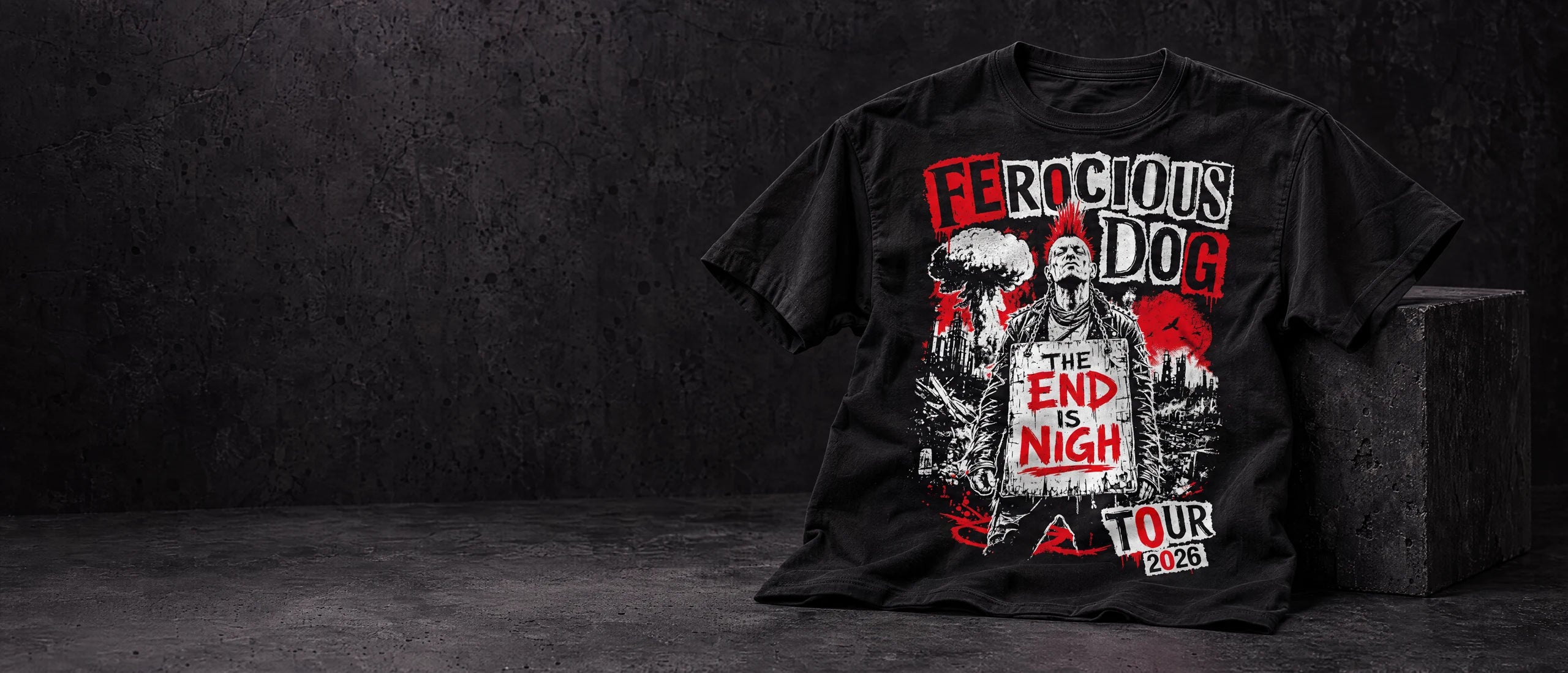
Direct to garment for samples, short runs and photographic quality prints. No screens, no setup fees. Minimum 10 units.
Best for: 10–50 units, complex artQuestions
DTG printing FAQs
DTG stands for direct to garment printing. It is a method where ink is printed directly onto fabric using a specialist garment printer, similar to how a desktop inkjet printer works with paper. DTG produces high detail, full colour prints without the need for screen setup, making it ideal for small quantities and complex artwork.
Yes — especially for test runs, sample prints and small quantity drops. Many clothing brands use DTG to test a new design before committing to a larger screen printing run. It allows you to print small quantities, check the result, and scale up with screen printing once the design is confirmed. For ongoing production at volume, screen printing Nottingham is typically more cost effective.
Our minimum order for DTG printing is 10 units per design. It suits small runs and detailed artwork without screen setup. Contact us with your requirements for a quote.
DTG turnaround is generally faster than screen printing because there is no screen preparation stage. Standard turnaround is typically 5–9 working days from artwork approval. Rush options may be available — contact us with your deadline and we will confirm what is achievable.
Neither method is universally better — they serve different purposes. DTG is better for small quantities, complex full colour artwork and quick turnarounds. Screen printing is better for large orders, bold designs with few colours and situations where maximum durability is required. We always recommend the right method for your specific project rather than defaulting to one or the other.
DTG produces the best results on 100% cotton garments in white or light colours. Cotton-polyester blends can work but may affect colour vibrancy, particularly with lighter ink colours. Fully synthetic performance fabrics are generally not suitable for DTG — for these, DTF printing is usually a better option.
DTG prints are durable for normal casual use. With correct washing care (inside out, 30–40°C, no tumble dry), DTG prints maintain their quality well over time. They are not as resistant as screen printing for heavy daily use or industrial washing — for workwear or high-wear applications, embroidery or screen printing are the more durable options.
Method Guide
Need help choosing the right print method
DTG is not always the best option for every order.
Get Started
Start your DTG printing order
Send your artwork and requirements and we will advise on the best printing method for your project — whether that is DTG, screen printing or something else entirely.
Made here. Out there.
A little of what we make.
Print, stitch and everything in between.
Select a photo for the story behind it.